Short answer: It may still be worth it for exporters with a well-documented product, a US buyer prepared to manage compliance, and a route to market that survives the coming federal restrictions. But raw flower is now one of the riskiest hemp products to ship: its naturally occurring THCA can push it over a total-THC limit even when delta-9 THC alone looks low.
One date needs correcting before any business plan relies on it: the new federal hemp provision is often discussed alongside a “December 11” deadline, but that is not the provision’s federal effective date. The law was enacted on November 12, 2025, and its hemp-definition changes are scheduled to take effect one year later, on November 12, 2026. Confirm the current text and any subsequent agency guidance before shipping; a date repeated in an industry notice is not a substitute for the statute.

The commercial question is therefore not simply whether US buyers want flower. It is whether the product, paperwork, timing, and intended state market can withstand a regime moving away from delta-9-only testing and toward a tighter total-THC standard.
What is changing—and what is not
Under the 2018 federal hemp framework, hemp was generally defined by a delta-9 THC concentration limit of no more than 0.3% on a dry-weight basis. That framework helped create a market for hemp flower with low delta-9 THC but potentially substantial THCA. Since heat can convert THCA into delta-9 THC, that distinction has always mattered in practice, even where a test report emphasized delta-9 alone.
The new federal provision shifts the focus toward total THC, including THCA, for the relevant hemp-product restrictions. It also sets a cap of 0.4 milligrams of total THC per container for covered hemp-derived cannabinoid products once the provision takes effect. That is a product-level amount, not a percentage of the product’s weight. The change is a major hurdle for intoxicating or high-THCA products, but exporters should not assume that every detail of the rule applies identically to every shipment or product category without reviewing the statutory language and applicable guidance.
Plain-English takeaway: A low delta-9 result is no longer enough to establish that a product is compliant; the relevant total-THC measure and the rule’s product and container definitions matter.
The federal change also does not make state law disappear. States may restrict hemp products, impose their own testing or labeling requirements, or treat flower differently from other hemp goods. Import, customs, consumer-protection, and controlled-substance rules can also affect a shipment. Exporters should evaluate the destination state and the specific transaction, not just the federal hemp definition.
Why raw flower is at the highest risk
Raw flower is exposed to several risks at once. It is sold as plant material, often marketed for smoking or vaporizing, and may contain enough THCA to fail a total-THC test even if its delta-9 result is below 0.3%. In other words, THCA makes flower fail when the applicable test or legal threshold counts THCA toward total THC and the result exceeds the limit.
Flower also leaves less room for compliance-by-format. A small edible or beverage may be assessed by the quantity of THC in a defined container, depending on the rule. Flower is commonly sold in packages that contain far more plant material than the 0.4 mg cap could accommodate if the product is covered by that restriction. A shipment that is technically described as “hemp biomass” may still attract scrutiny if its appearance, intended use, labeling, or sales documents point to consumer-ready flower.
That does not mean every flower shipment is automatically unlawful today, or that the same result applies in every state. It does mean the risk is not just a lab-number problem. Classification, intended use, packaging, destination, and the effective date all matter. A certificate showing compliant delta-9 THC alone may not answer the questions a buyer, regulator, carrier, or customs official will ask.
What the December 11 date means for exporters
Some businesses refer to a December 11 deadline in communications about hemp rules. Before acting on that date, ask what it refers to: a buyer’s cutoff, a state rule, a contract deadline, an agency notice, or a mistaken reference to the federal law’s effective date. The federal statutory change described above is scheduled for November 12, 2026—not December 11.
That distinction matters for inventory and contracts. A shipment delivered before a federal effective date may still face state restrictions, existing federal requirements, or a buyer’s stricter internal standard. A shipment arriving afterward may face the new federal restrictions if the product falls within their scope. Transit time, customs delays, and when the product is placed on the market can complicate a simple “ship before the deadline” strategy.
For exporters, the practical move is to write dates and responsibilities into the sales agreement: who verifies the applicable rule, who is importer of record, who handles testing, and what happens if the shipment is delayed or refused. Do not build a plan around an unverified countdown.
Compliance tools: useful, but not magic
Third-party lab testing
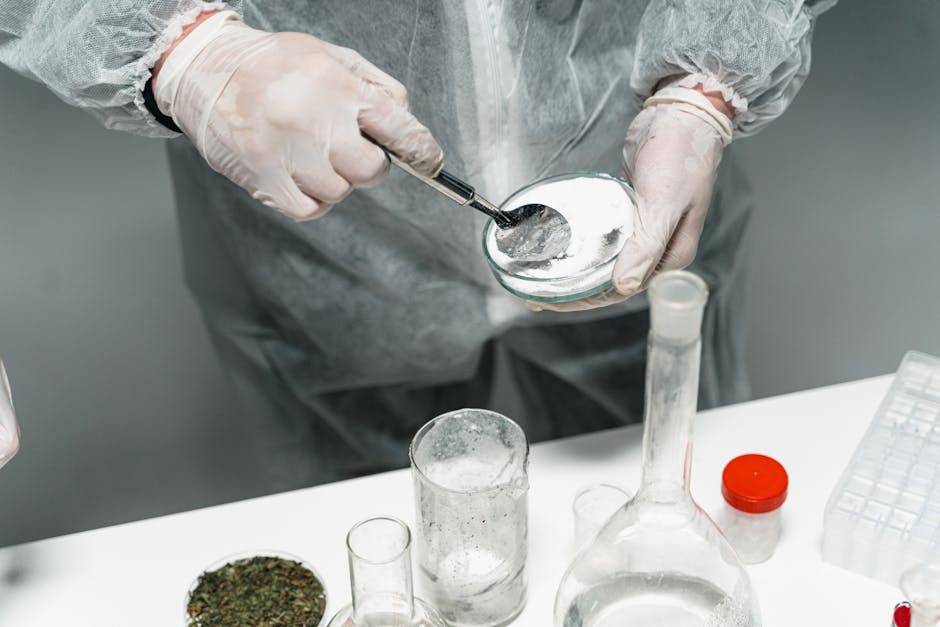
Third-party lab testing is essential, but the test request must match the legal question. Ask the laboratory to report delta-9 THC, THCA, and the calculated en.mercopress total-THC result using a clearly stated method. Confirm the sample was representative of the batch and that the report identifies the lot, sampling date, analytical method, and laboratory. A report for one lot does not automatically validate the next harvest or shipment.
Where a product is subject to a per-container limit, a percentage result alone may not be sufficient. The exporter and US buyer need to understand the applicable container definition, product quantity, and calculation method. Avoid describing flower as “THC-free” unless reliable, batch-specific laboratory evidence supports that wording—and even then, a non-detect result is not the same as absolute zero.
Batch lab results posted online
Batch lab results posted online can improve transparency for buyers and consumers. They are useful only if the report is current, traceable to the product being sold, and easy to match to a lot number on the package. Publishing a generic certificate, an old test, or a result for a different product can create more compliance risk, not less.
Brands such as Joy Organics operate in a marketplace where consumers increasingly expect accessible testing information. That is a useful example of the role transparency can play, not proof that a particular flower shipment—or any company’s products—meet every federal or state requirement. Verify the exact product, batch, and destination rules.
Exporter checklist before committing inventory
Confirm the applicable dates. Check the enacted federal provision, effective date, current agency guidance, and any state deadlines. Do not treat December 11 as the federal effective date without identifying the source. Classify the product accurately. Distinguish raw flower from extracts, finished consumer products, and non-consumer biomass. Labels and marketing should reflect the actual product and intended use. Test for total THC, not just delta-9. Obtain batch-specific third-party lab testing that includes THCA and the stated total-THC calculation. Map the full route to market. Confirm the importing party, customs documentation, carrier requirements, destination-state rules, and the buyer’s internal standard. Review packaging and claims. Check net quantity, lot identification, intended-use statements, warnings, and online claims. Avoid “THC-free” and similar absolute claims without adequate evidence. Put contingencies in writing. Define who bears costs if testing fails, clearance is delayed, the rule changes before delivery, or the buyer cannot legally resell the product.Who is likely to keep buying?
The strongest prospects are not necessarily the buyers offering the highest price. Look for US businesses that can explain their compliance position, identify the exact product category they will accept, and have a documented process for testing and state-by-state distribution. Ask whether they will accept raw flower after the new provisions take effect, what total-THC threshold they use, and whether their answer is backed by legal review or merely by past practice.
Industry groups such as the US Hemp Roundtable can be useful sources for policy updates and advocacy context. They are not regulators, however, and an industry summary should be checked against the enacted law and authoritative agency material. Similarly, the USDA (US Department of Agriculture) has administered important parts of the hemp-production framework, but exporters should not assume that USDA oversight alone resolves the separate rules governing finished products, imports, or state sales.
Is raw flower export still worth it?
For a supplier with low-THCA genetics, consistent batch control, defensible testing, and a buyer that has confirmed a lawful route to market, there may still be a business case—particularly during the transition period and in markets that permit the relevant product. But that opportunity is conditional, and it can narrow quickly as federal and state requirements take effect.
For exporters whose economics depend on high-THCA flower being sold as smokable hemp, the risk is substantially higher. The product’s chemistry is central to the problem: total-THC testing can change the compliance conclusion, and the 0.4 mg per-container cap may be incompatible with covered products containing meaningful THC. A low delta-9 certificate does not solve that issue.
Before planting, processing, or booking freight, compare the expected margin with the cost of testing, legal review, compliant packaging, insurance, delays, and potential rejection or destruction. If the buyer cannot clearly state what rule it is relying on and how it will handle a failed shipment, the apparent price premium may not justify the exposure.
Bottom line
Raw flower export to the US is not automatically finished, but it is no longer a low-paperwork bet. The key shift is from relying on delta-9 THC alone to accounting for total THC, including THCA, alongside product-level restrictions and state rules. Flower shipments are at the highest risk because THCA can push them over a relevant limit and because consumer-ready flower is difficult to separate from use and packaging concerns.
Do not plan around an unverified December 11 date: the federal change discussed here is scheduled for November 12, 2026. Use batch-specific third-party lab testing, keep batch lab results posted online only when they accurately match the product, and secure written confirmation from a qualified US compliance adviser and the importer. One-sentence takeaway: export raw flower only when the total-THC result, product classification, destination rules, and buyer’s compliance plan all line up—not just because delta-9 THC is low.
This article is general information, not legal advice. Hemp rules and agency guidance can change; obtain advice specific to the product, shipment, and destination.